

This page was prepared for students in Prof. Dean Bavington’s GEOG 3610: Cultural Landscape course at Memorial University of Newfoundland
“An artist is a sort of emotional or spiritual historian. His role is to make you realize the doom and glory of knowing who you are and what you are.”
James Baldwin
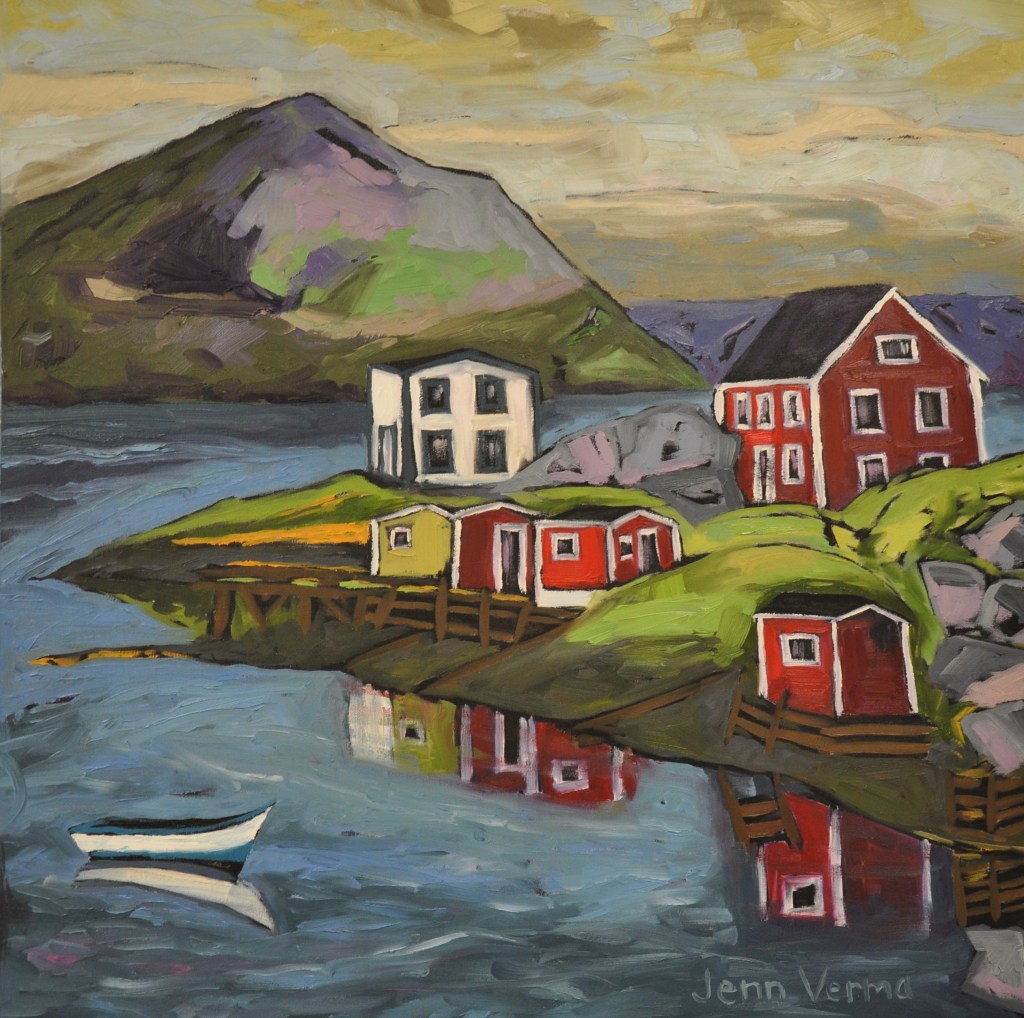
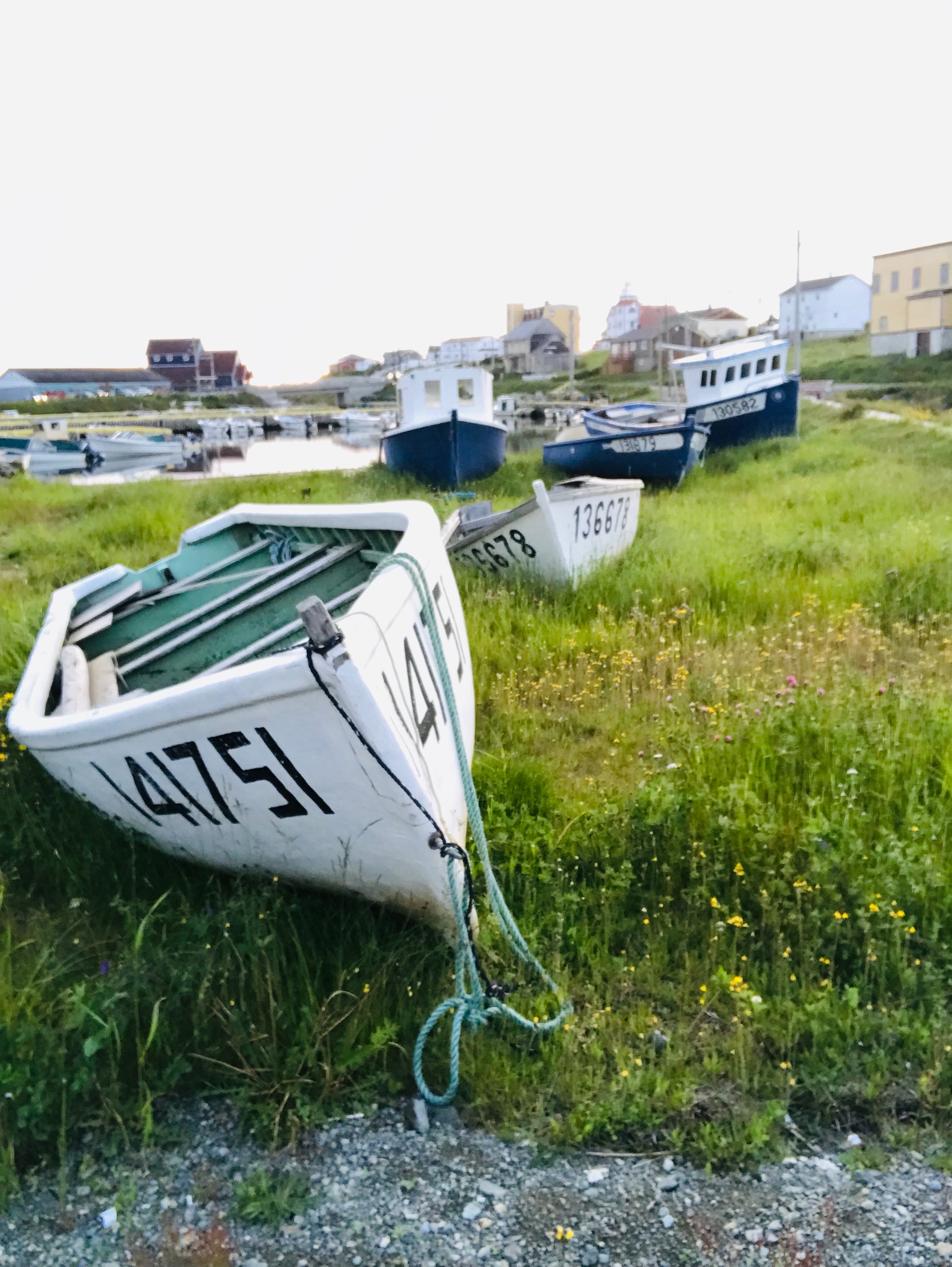
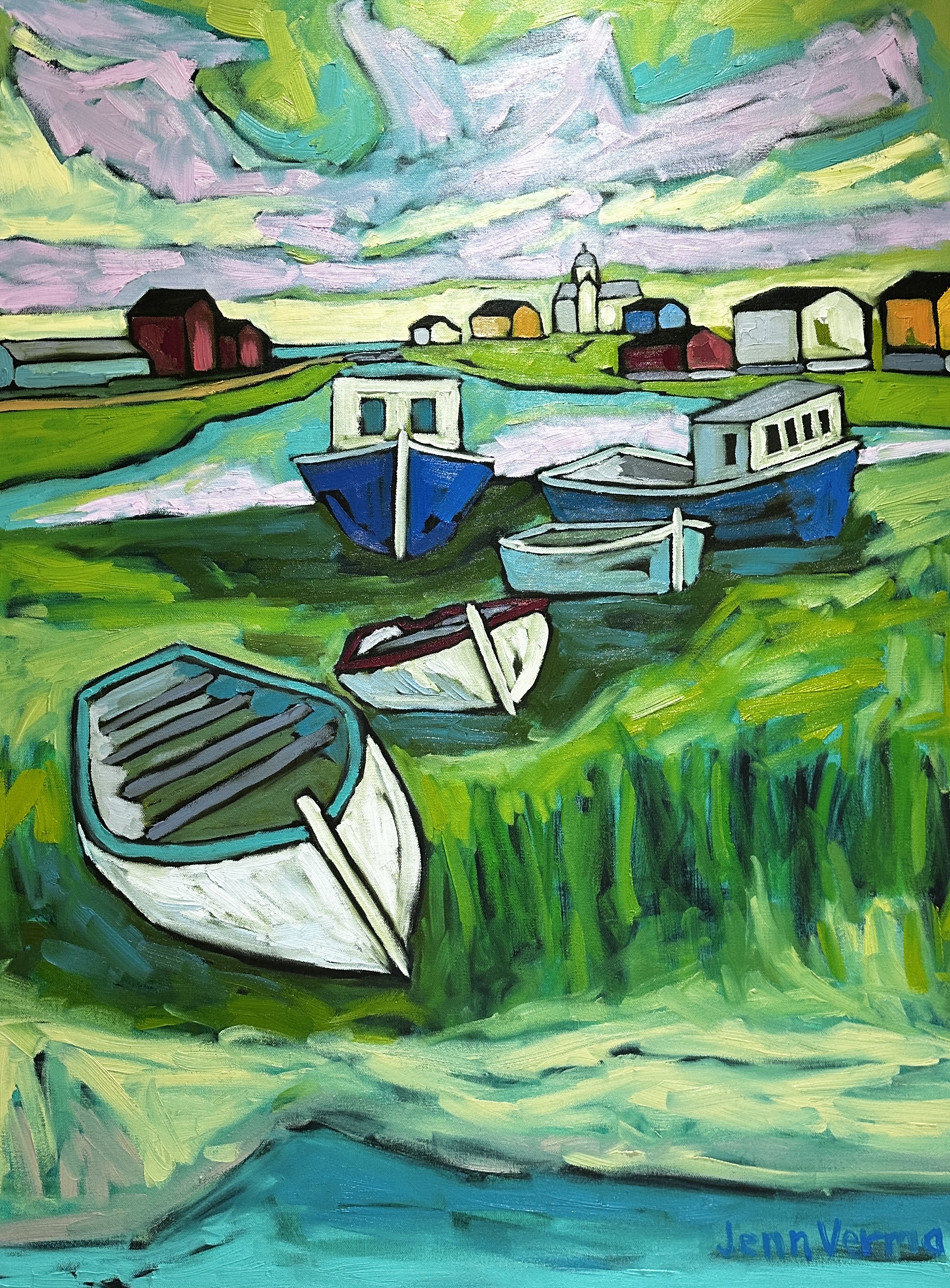
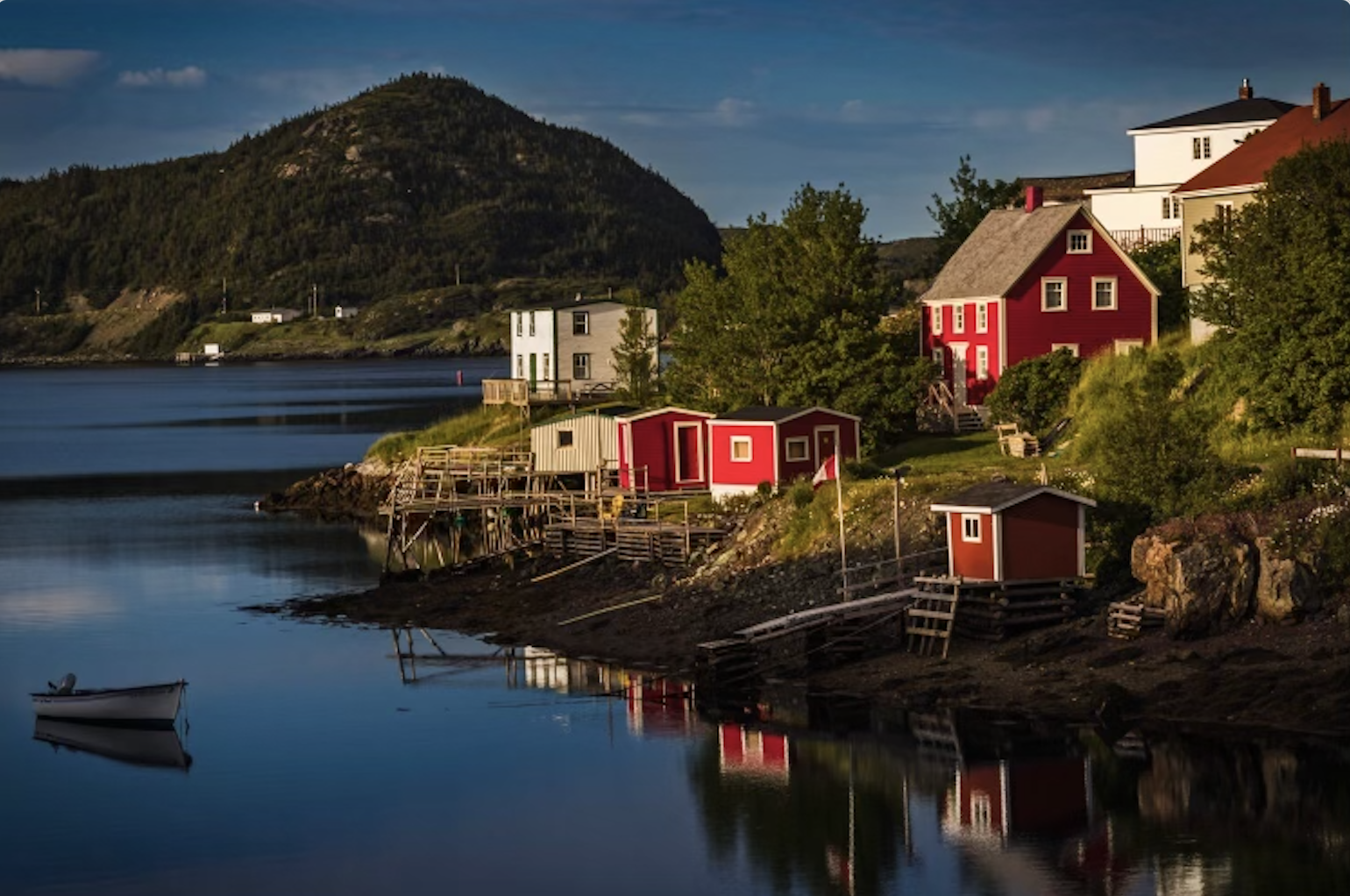
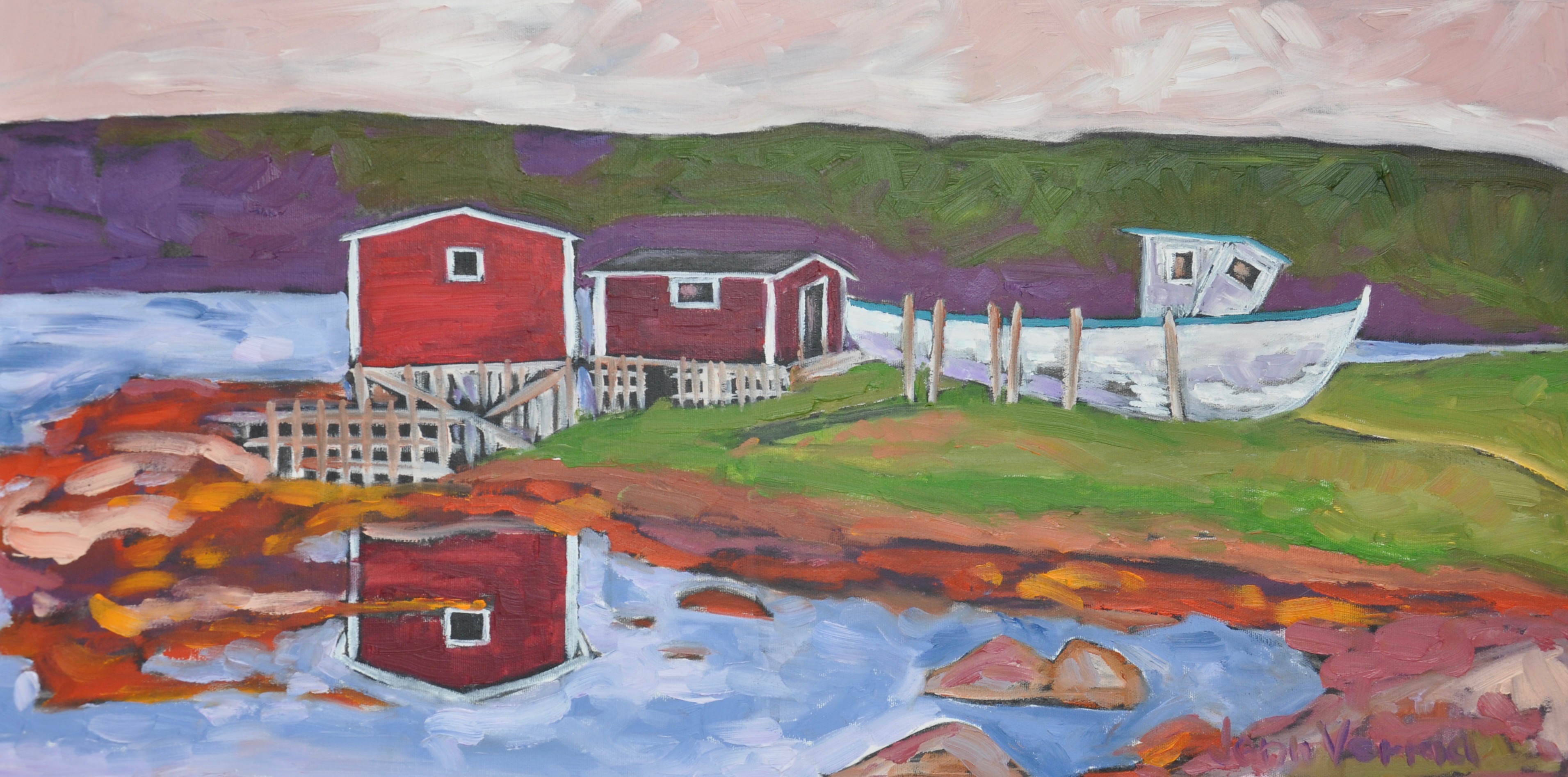
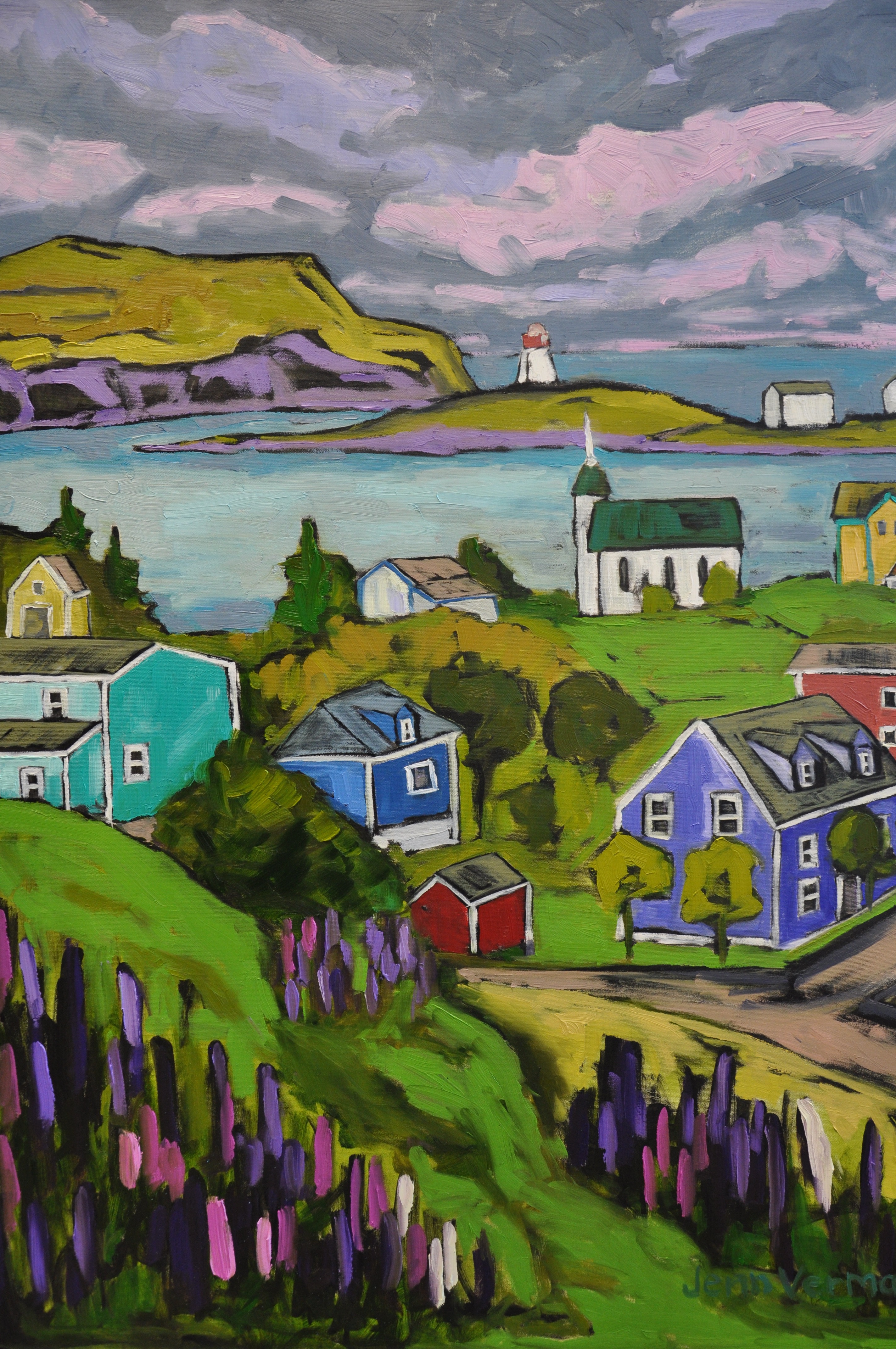
Clapboard saltbox houses, wooden dories and skiffs, crooked wharves and docks, rickety fishing stages and sheds, stunted trees and rocks—these are the visuals many landscape artists associate with the coastal communities of Newfoundland and Labrador.
The 1992 cod moratorium granted many Newfoundlanders and Labradorians a frontrow seat as wharves and docks were left to rot, clapboard siding on saltbox houses exposed joints, and schooners and dories sank into their surrounding harbours. Attempts to capture these landscapes on canvas are part of an important cultural and historical record.
“A landscape painting is essentially emotional in origin. It exists as a record of an effect in nature whose splendour has moved a human heart, and according as it is well or ill done it moves the hearts of others.”
Walter J. Phillips
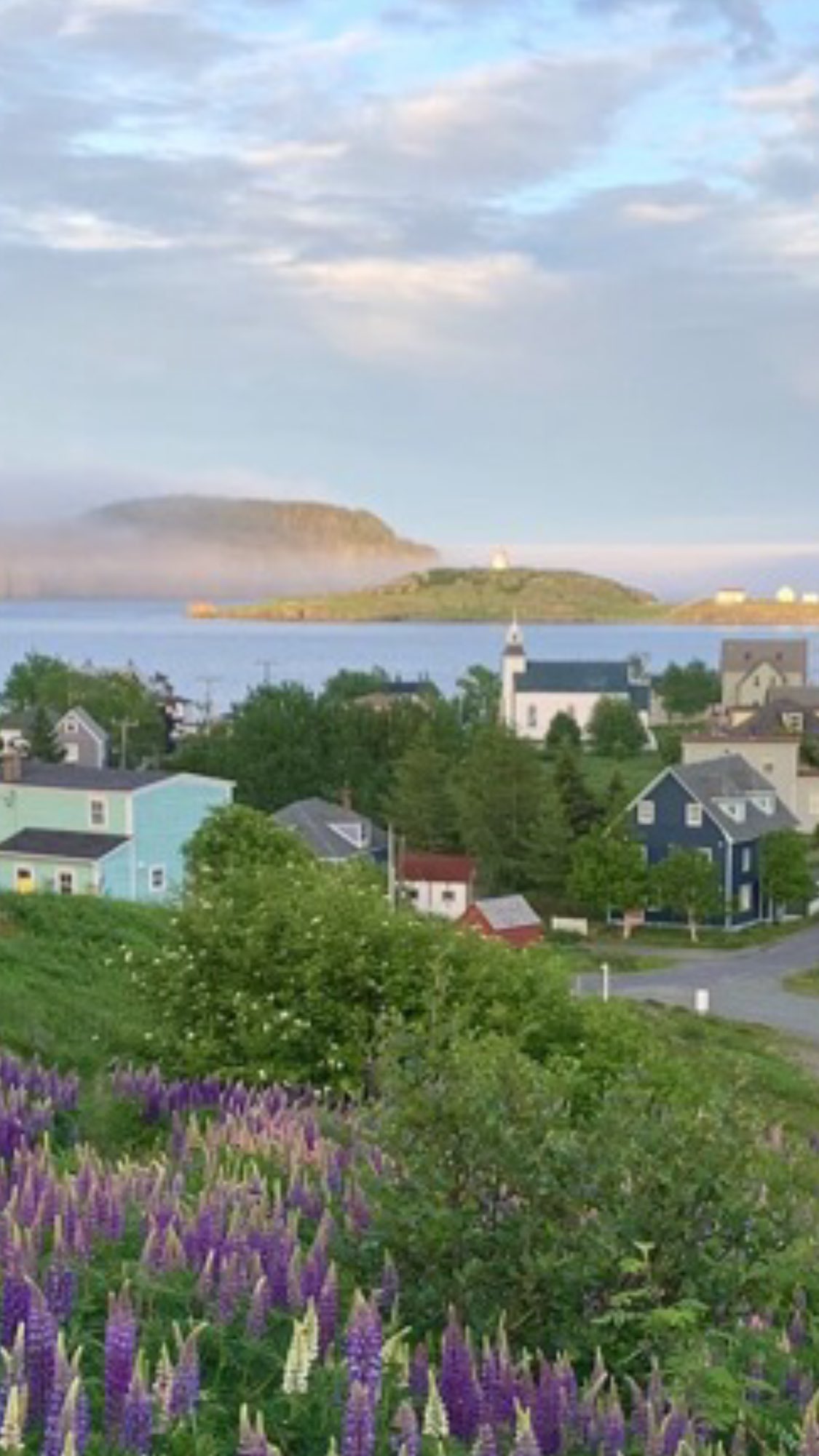
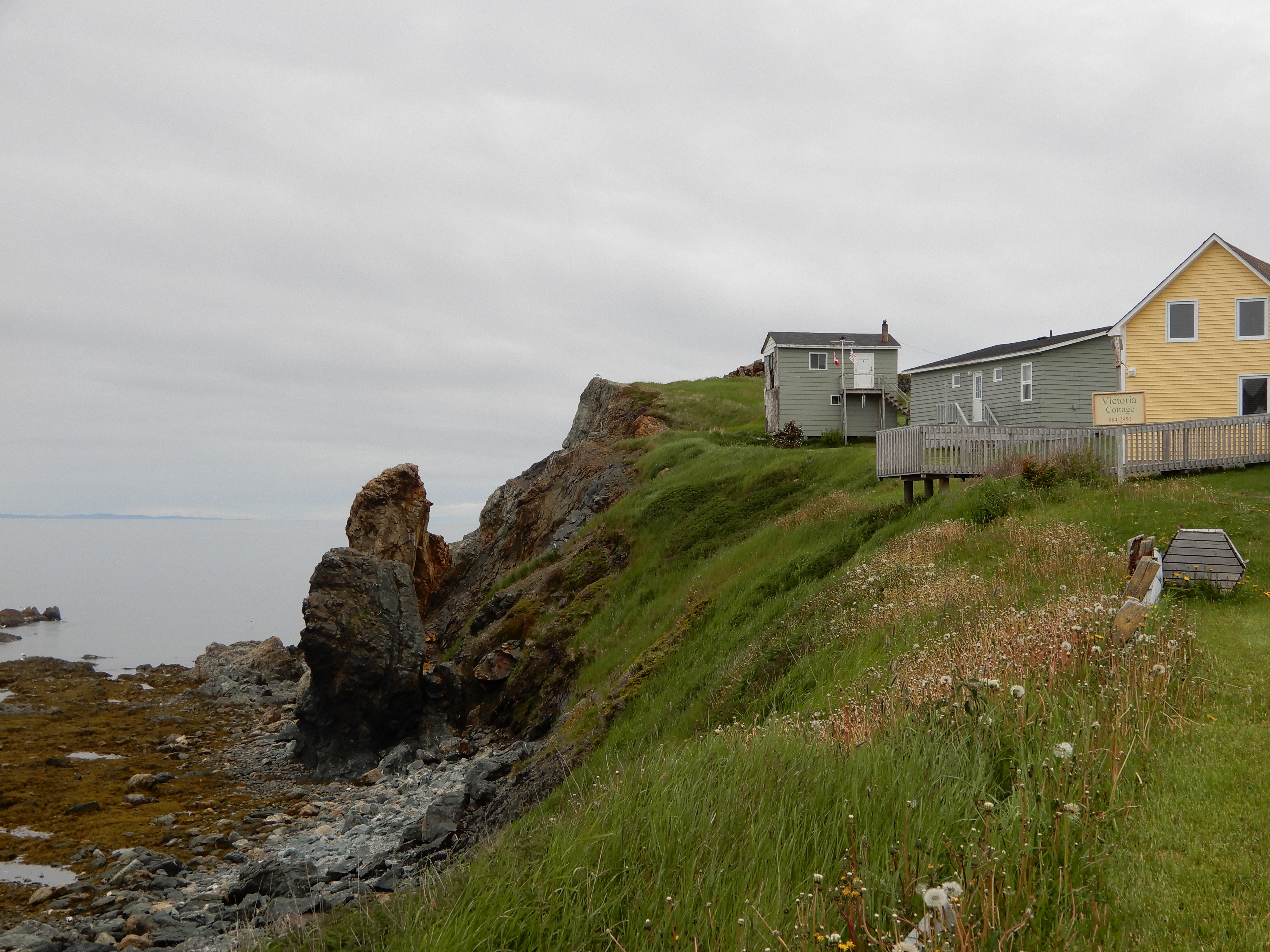
Jenn Thornhill Verma’s landscapes
Reflection question: The cod moratorium arguably created a landscape of decay that artists have rushed to capture, but still do so decades on. What’s disappearing in the place or community you come from? Do you feel any urgency to document it — and if so, through what form?
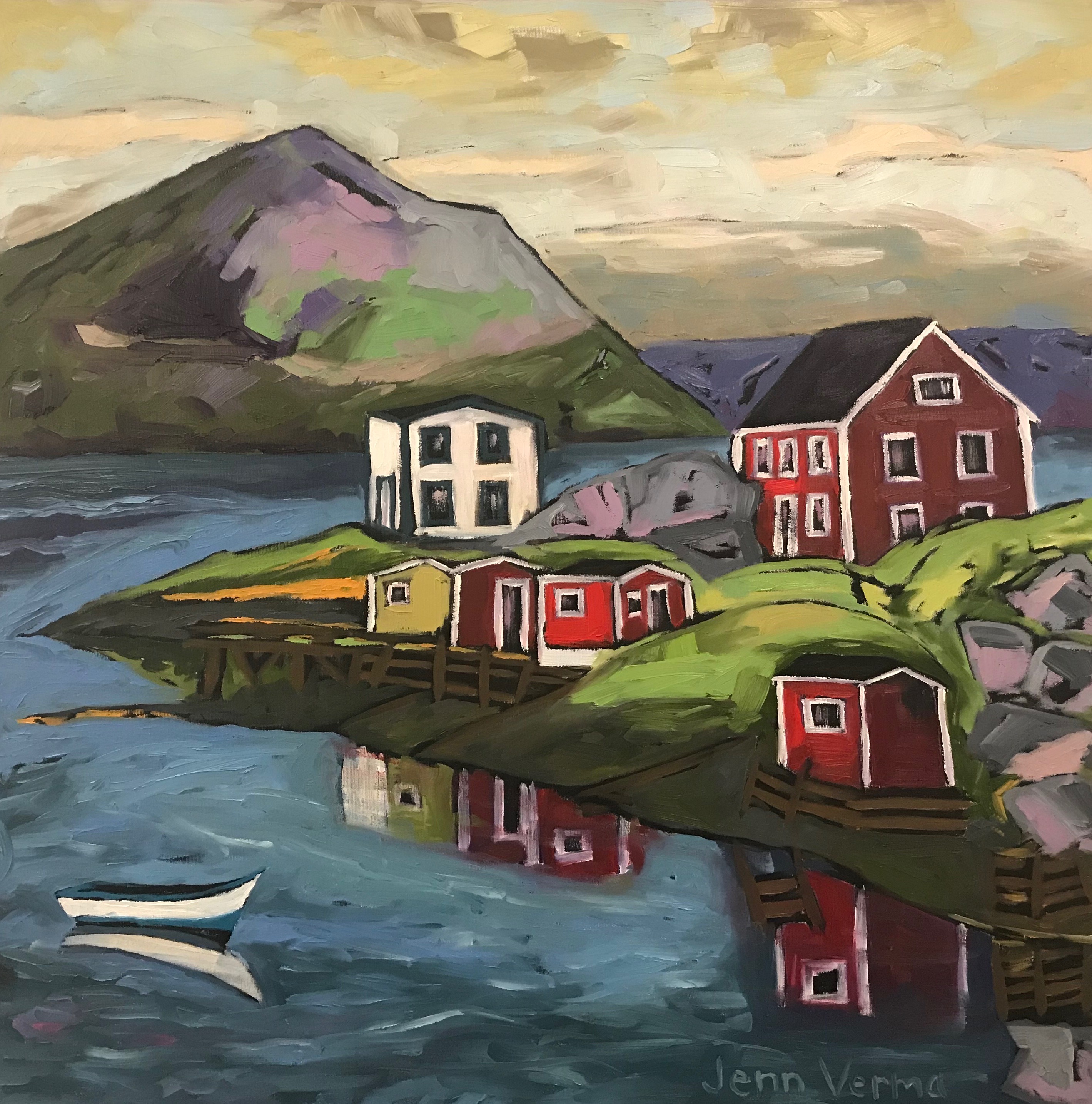


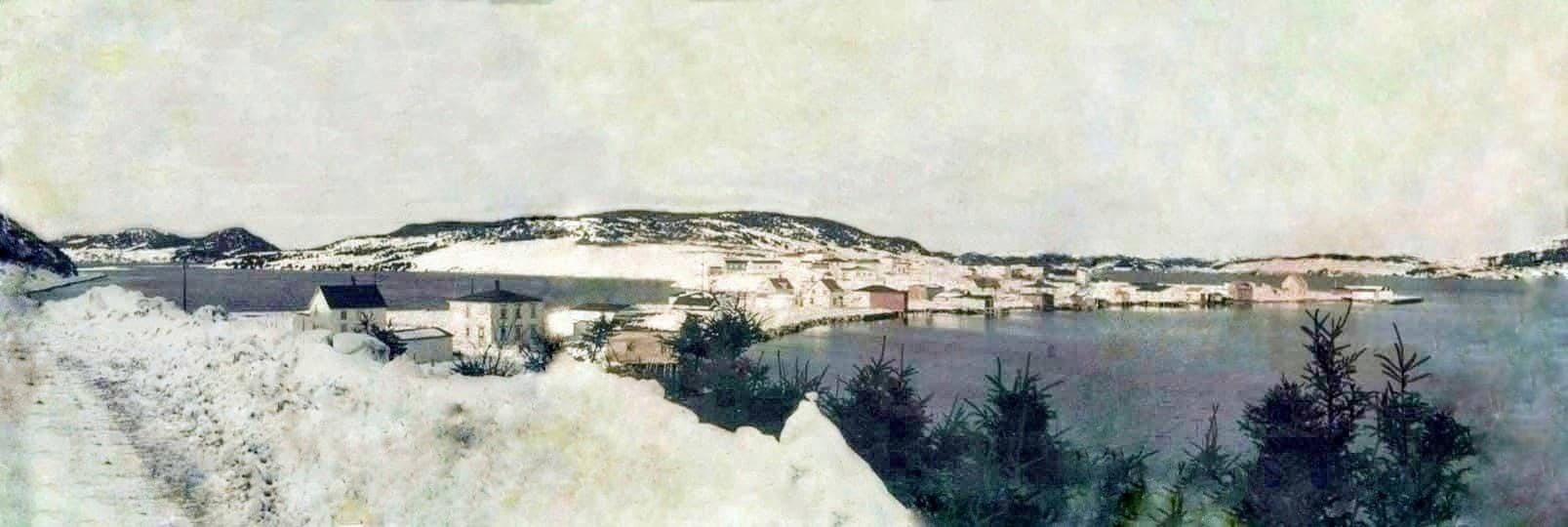
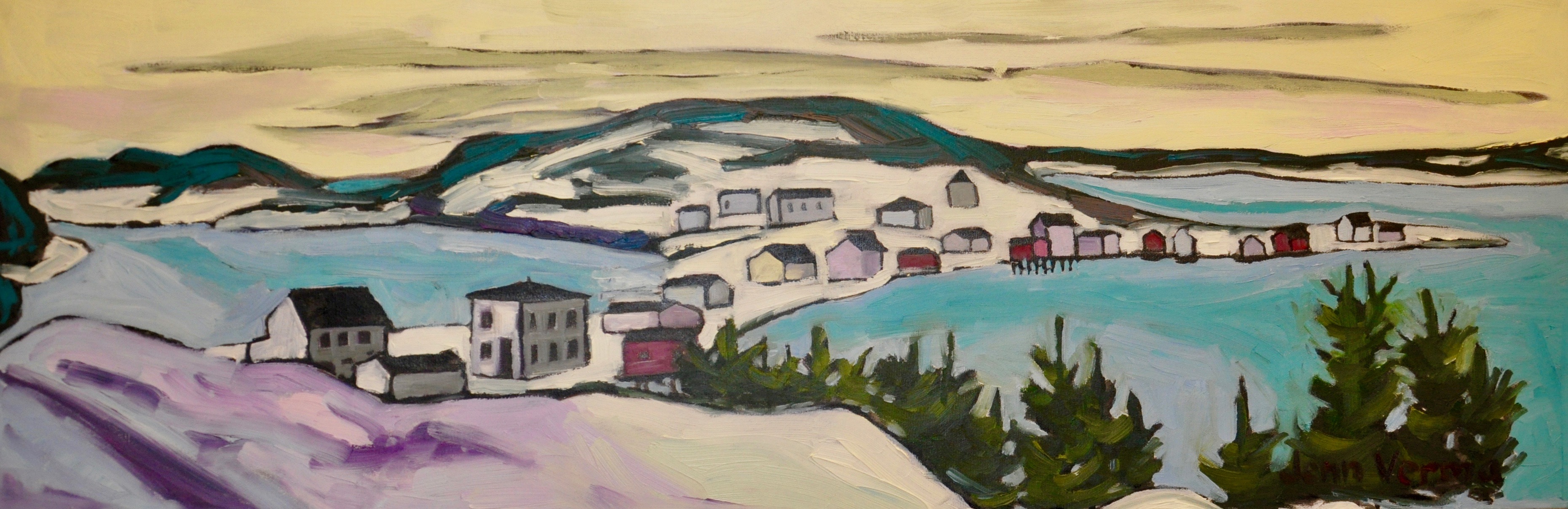
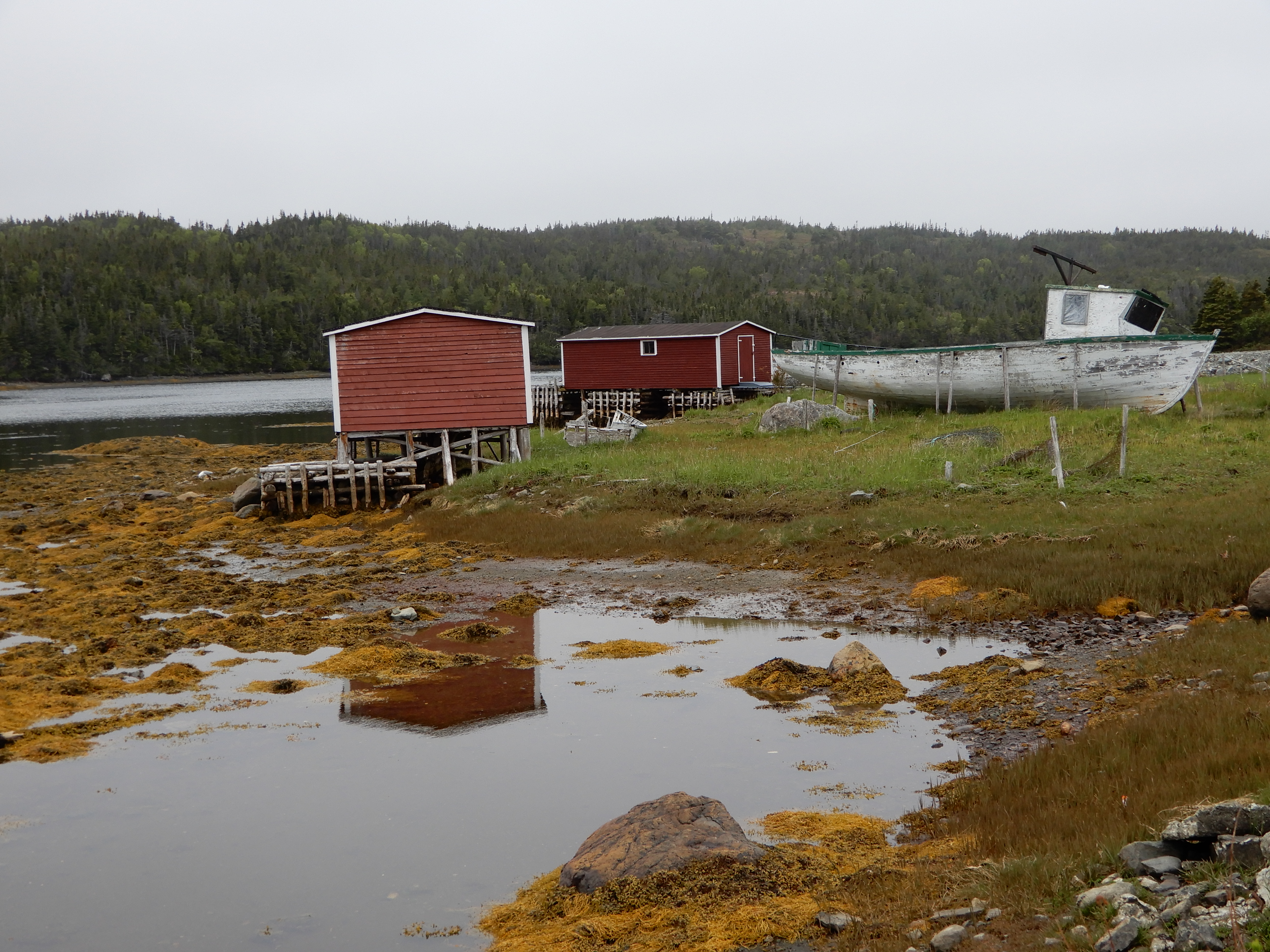




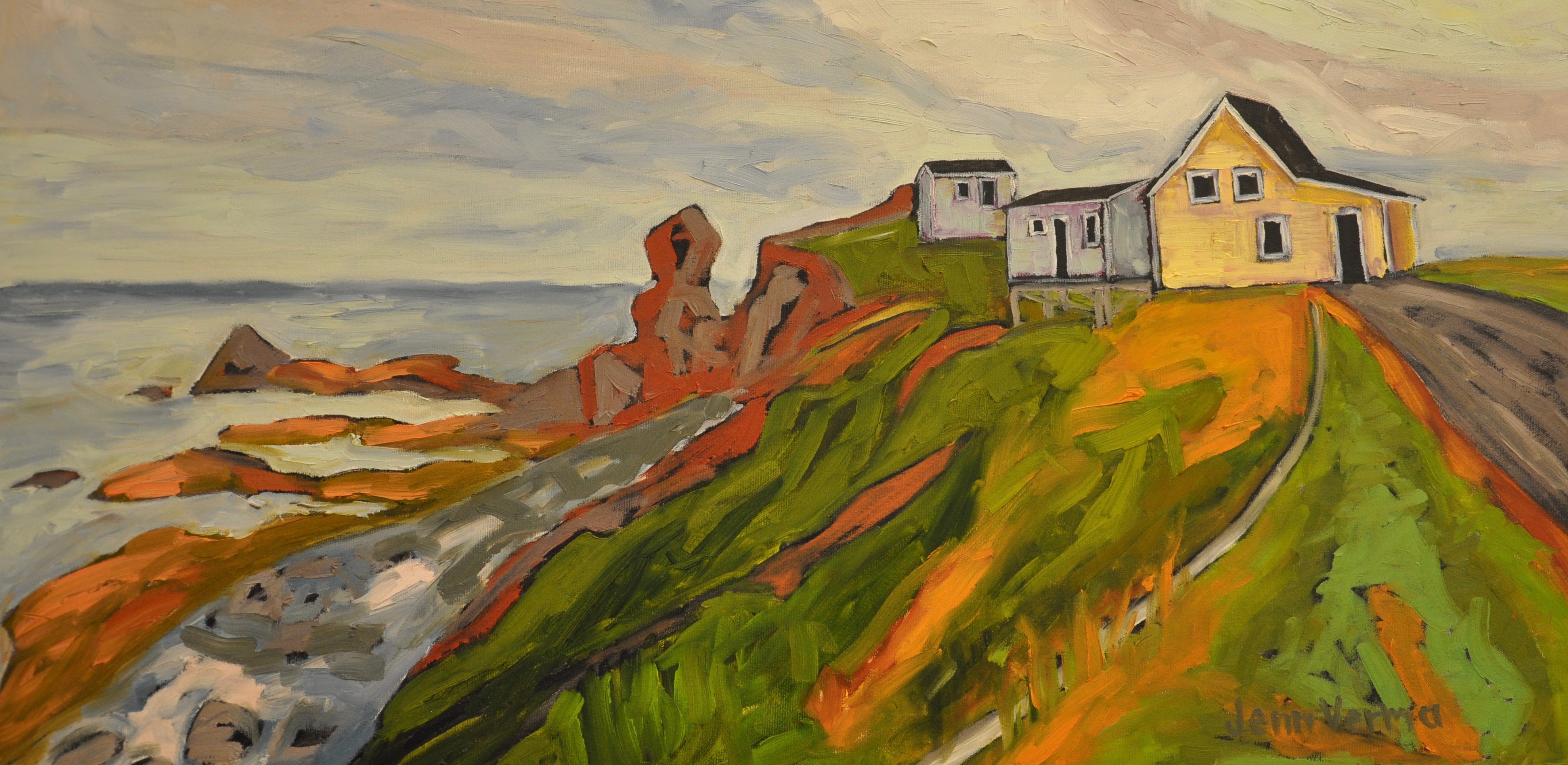
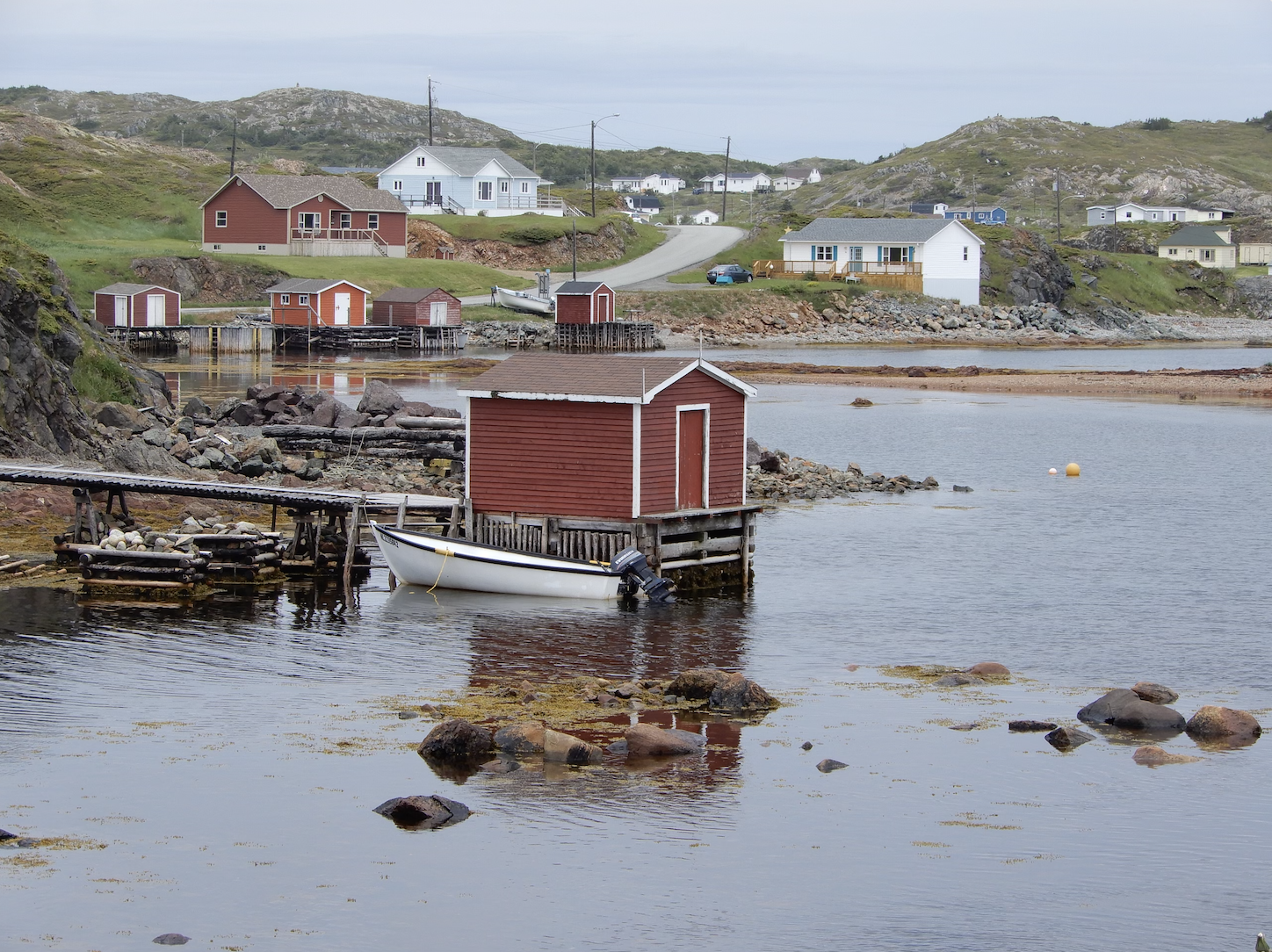
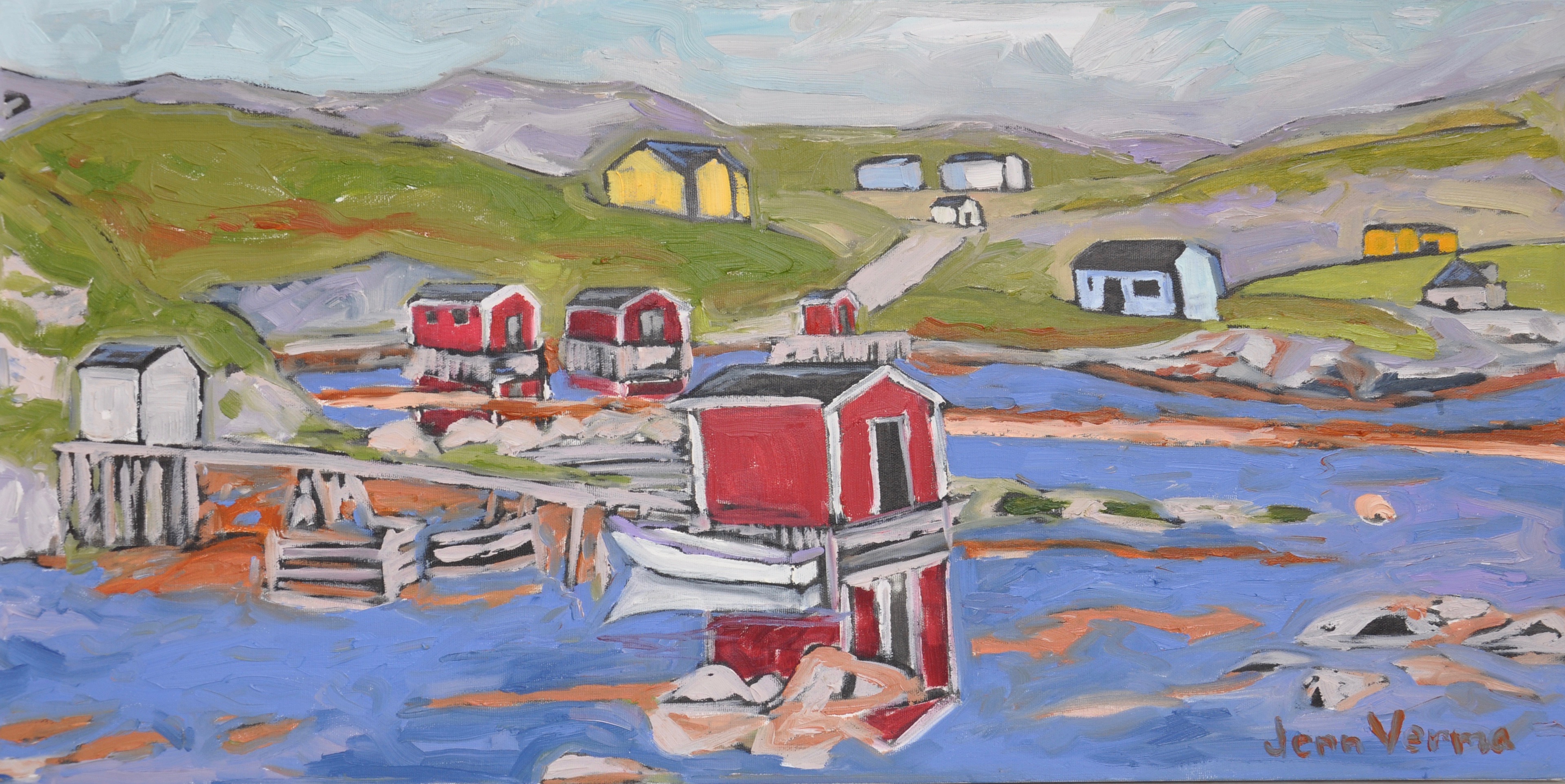


Insights from landscape artists
HERE COMES THE SUN: ARTIST JEAN CLAUDE ROY’S BRIGHT OUTLOOK FOR NEWFOUNDLAND AND LABRADOR
Mar 2019 (the below is an excerpt)
He looks for and loves the bent and broken lines of a wharf that’s been cobbled together, as it was originally, the result of townsfolk hammering whatever wood they had together into a rickety, misshapen landing. New is not necessarily better, he says, uninterested in the straight lines of government wharfs, expensive residential builds, or plastic fishing gear. His eye is trained to find roads dipping and bobbing with the flow of the coastline that nook and cranny into tiny coves and beaches.
“I try to find some old paths,” Roy says. “Even an old shed, with all of the colours – that’s what I’m looking for – the mess. I’m painting mess, okay?”
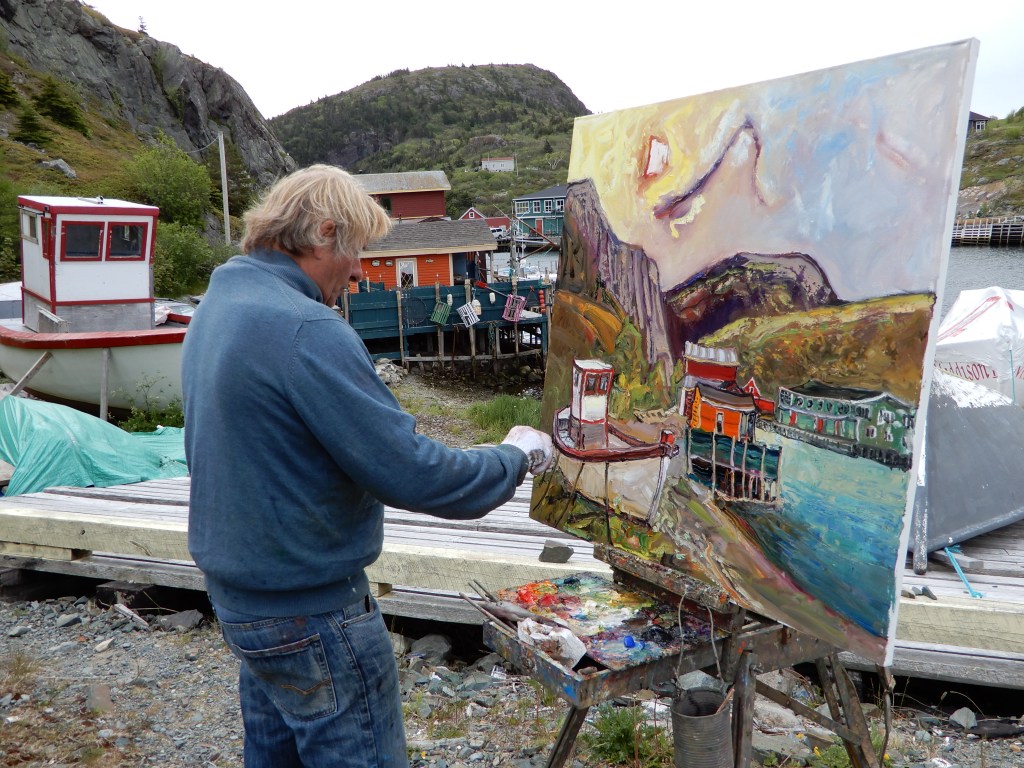
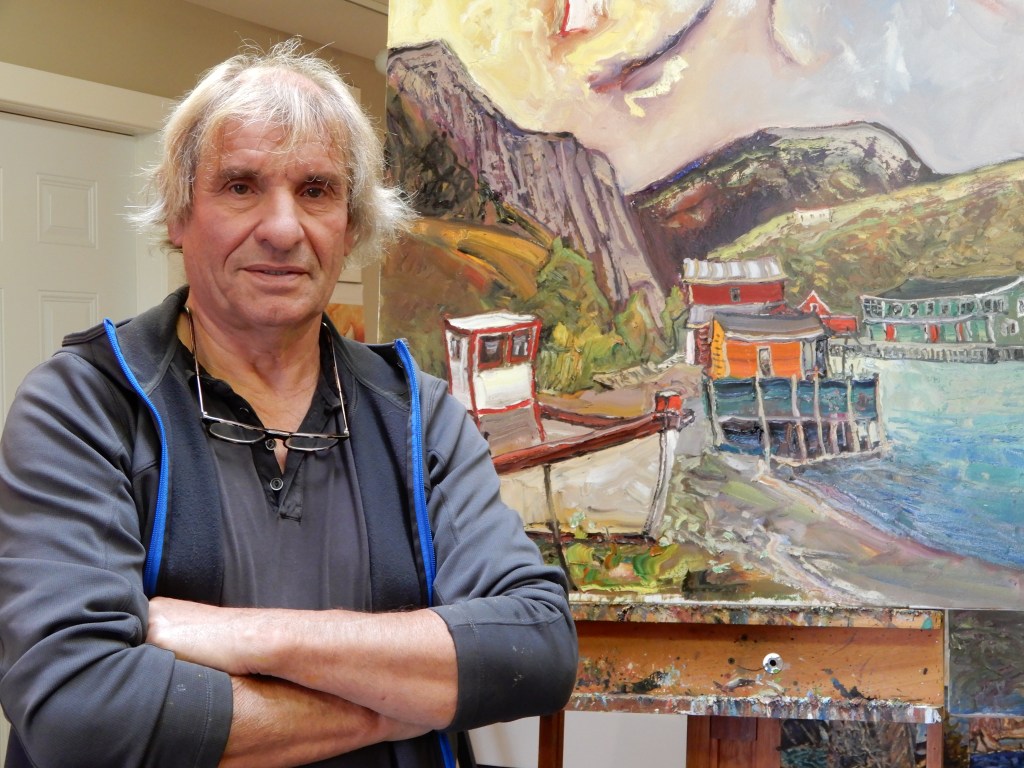
Jean Claude Roy paints at Quidi Vidi in summer 2018 (photo by JTV)
Reflection question: Jean Claude Roy says he’s “painting mess.” What’s the creative equivalent in your own work — what’s the thing you’re drawn to that others might overlook or dismiss?


IN THE PRESENCE OF ABSENCE : ARTIST CLIFFORD GEORGE
Sep 2017 (the below is an excerpt)
“For much of his life, Clifford George has felt the lure of distant images, whispering echoes calling to him over the expanse of time…
So he packed up his tools and travelled the Burin and Avalon peninsulas.
“I went to a place called Red Cliff down around Bonavista — and I was overwhelmed by the presence of absence.
“There were old saltbox houses clinging onto the cliff and they were giving out a message. And I could feel the presence of the people who lived in them long ago, the times in the old schools, dances in the halls, people telling yarns to each other. Peacefulness and quiet serenity.
“Curtains blowing through broken glass out into the morning air. Woodstoves rusted, soup ladles hanging by the old chimney back of the stove from suppers long ago. I painted and sketched that town a lot.”
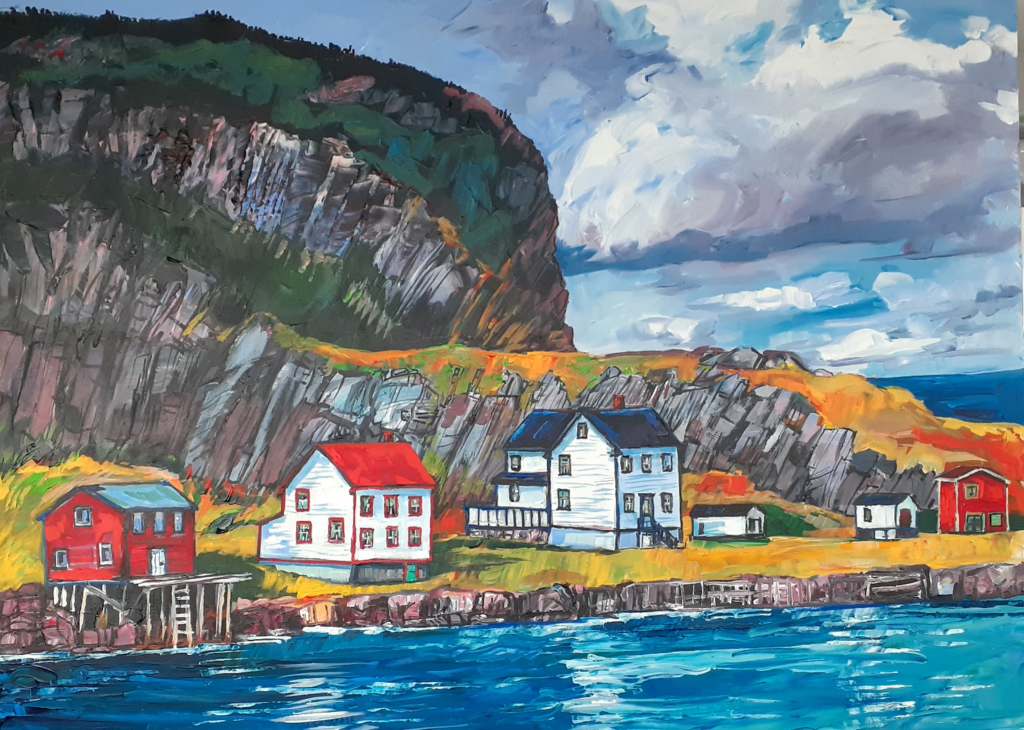
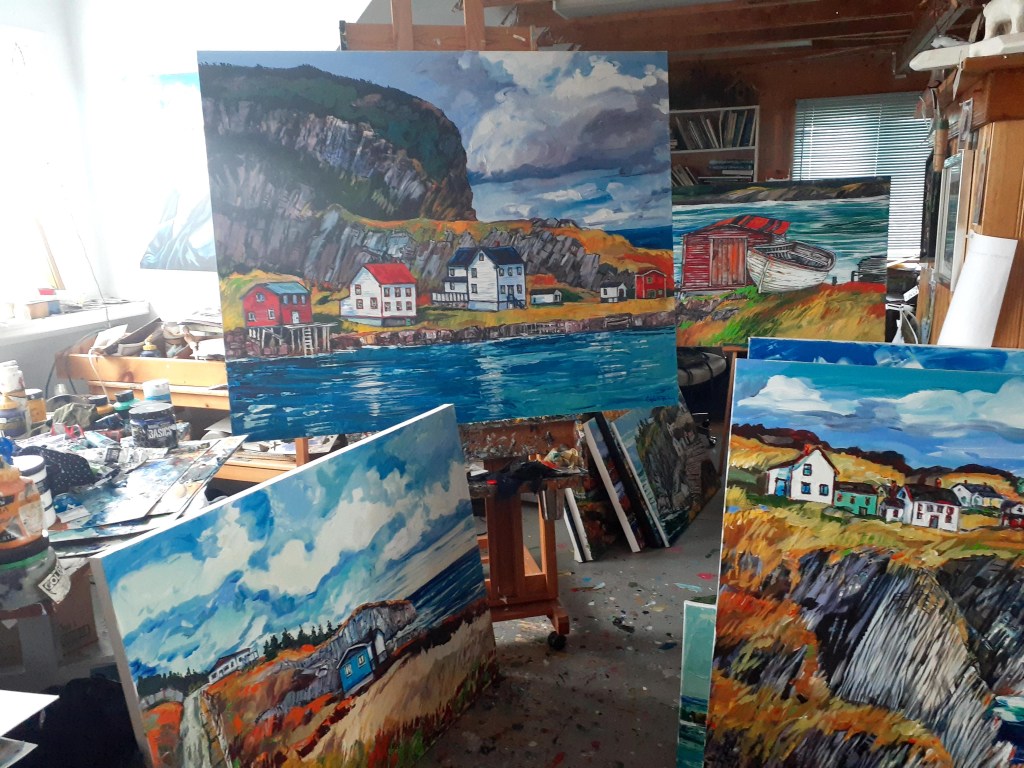
Reflection questions: What place has “overwhelmed” you the way Red Cliff overwhelmed Clifford George? What was the “presence of absence” you felt there?
Clifford George felt the presence of people through “curtains blowing through broken glass” and “soup ladles hanging by the old chimney.” What small, specific detail has ever conveyed a whole world to you?

ENERGYPHILE: ARTIST IRENE DUMA
Jan 2021
When landscape painter, Irene Duma, landed in Newfoundland, she was actually destined for New York. But two visits (with films in the St. John’s Women’s International film festivals in 2005 and again in 2007), she moved to the island portion of the province (from Toronto) in 2008. She reports she’s “been happy as a clam ever since.” When I asked Duma what draws her to paint Newfoundland landscapes, here’s what she said:
“What I love most is the energy. I am an energyphile … is that a thing? I absolutely love the raw energy of the windswept coast line. I am drawn to it like a moth to light. Which is weird because I thought I was all about the sun, sand and warmth. And sometimes when standing on Signal Hill, getting a beating from the wind, I really wish I was.
But I guess I’m not. It’s seeing the first light in North America which is thrilling to me. The expanse of the ocean, the jaw dropping cliffs, the breathtaking vistas. This is what never ceases to amaze me. I love being outdoors. I paint in oils and gouache from photos I have taken while hiking, wandering, or travelling. I use vibrant colour, exuberant gestures, big bold brushstrokes and shapes. I want my work to delight the viewer’s eyes – the composition to draw you in, and then like good theatre, take you away on a journey, transform you, and leave you feeling just a little bit better. And always, maintaining a sense of playfulness, optimism and innocence. I also love the energy of the people – a kitchen party with singing, laughter and live music can’t be beat.”
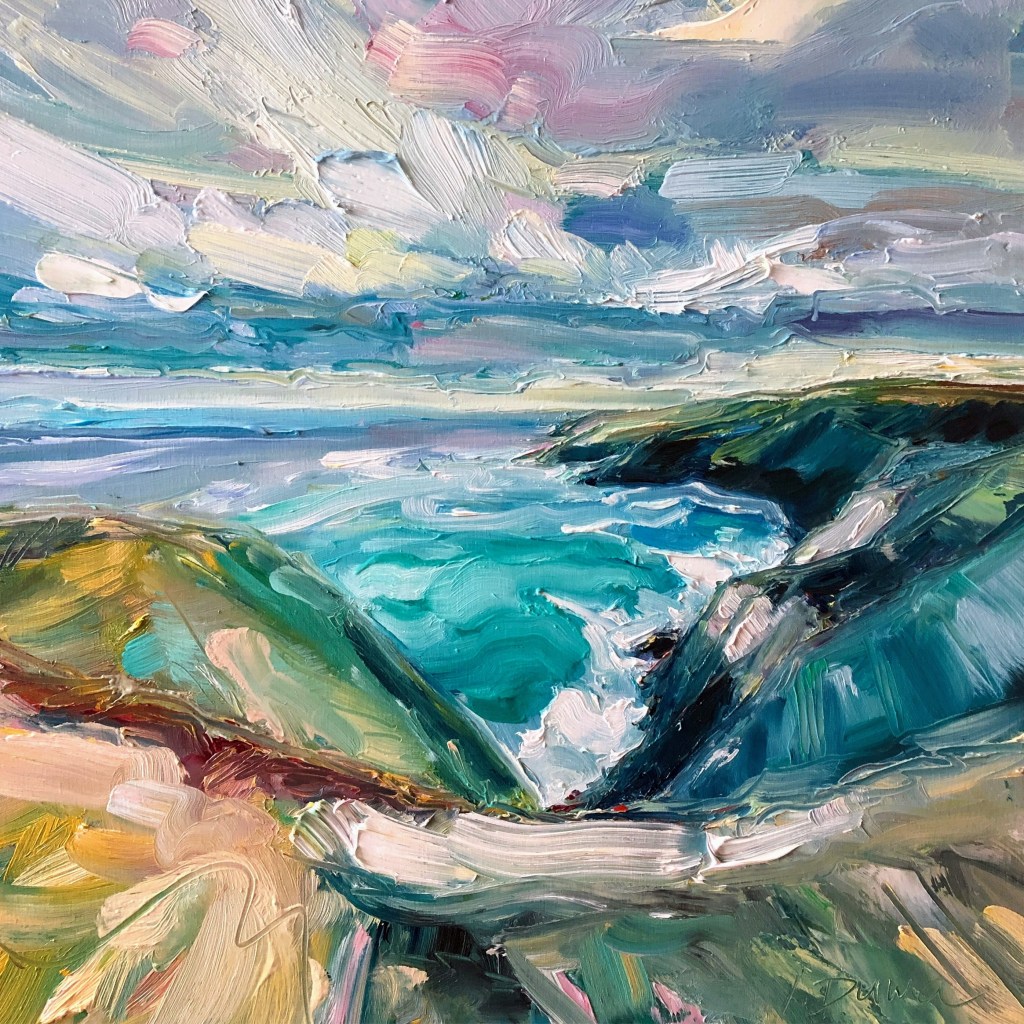
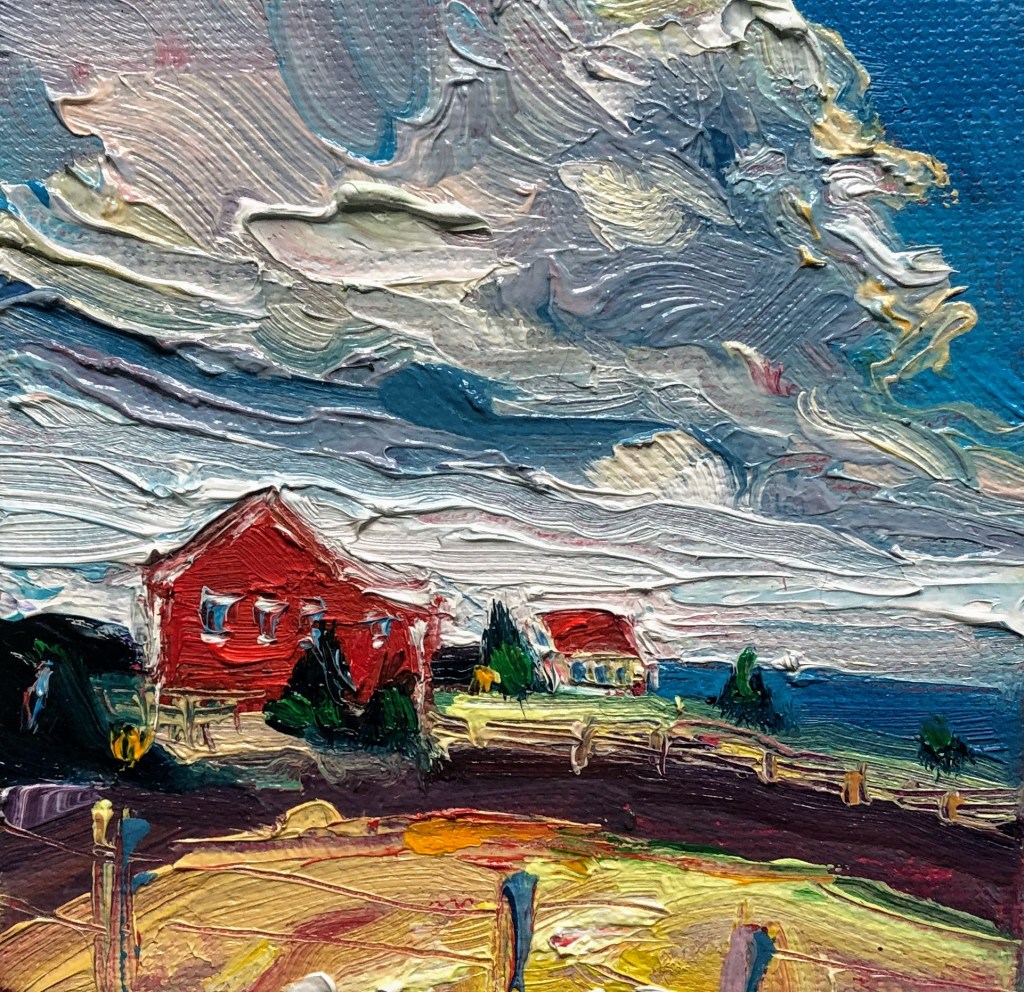
NL landscape paintings by Irene Duma
Reflection question: Irene Duma describes herself as an “energyphile.” If you had to coin a word for what draws you to your subject matter, what would it be?

AN ARTIST’S VIEW: ARTIST GORDON HARRISON
Oct 2016
Canadian landscape painter, Gordon Harrison, has painted every corner of Canada, coast to coast to coast, but what draws him to Newfoundland and Labrador seascapes? Here’s what he said: (Jan 2021)
Canadian landscape painter, Gordon Harrison, has painted every corner of Canada, coast to coast to coast, but what draws him to Newfoundland and Labrador seascapes? Here’s what he said: (Jan 2021)
“As you know I love and paint mostly trees. But oddly it is not the trees that draw me to NL. It is rather the raw barren and open coastal landscape, the rocky shoreline and small quaint fishing communities. The latter includes the architectural vernacular, fishing sheds and dories. Although a lot of the authentic vernacular is now surrounded by new built structures that have altered the look. I And also the people are most hospitable.”
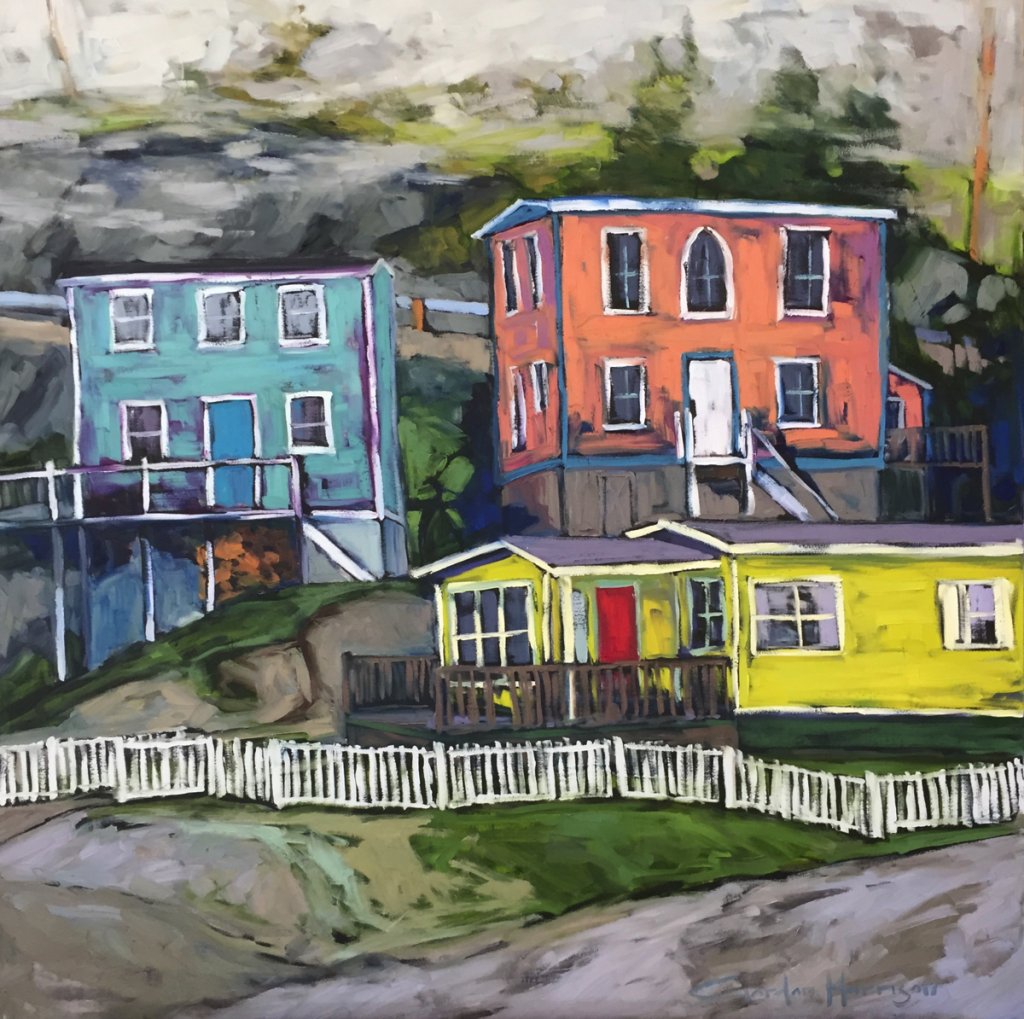
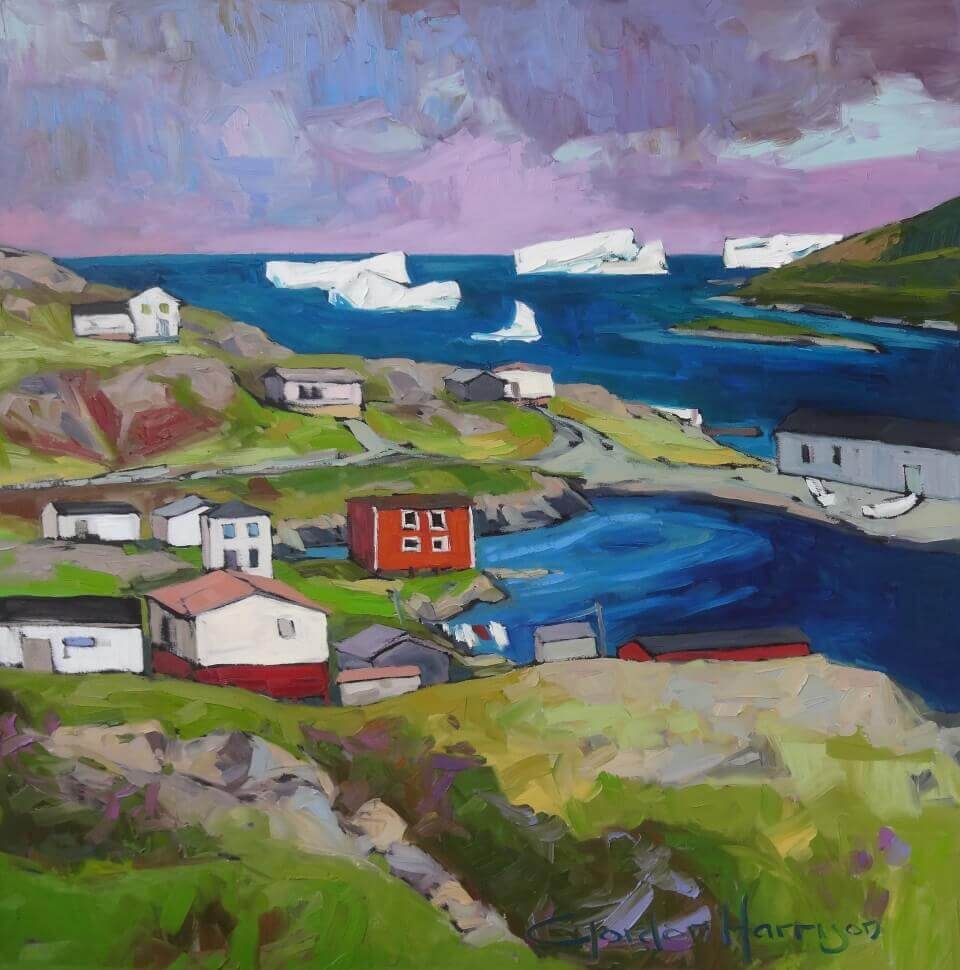
Reflection question: Gordon Harrison paints trees everywhere in Canada but is drawn to Newfoundland for the opposite — barrenness. When have you been surprised by what pulled you creatively? Has your subject ever chosen you rather than the other way around?
© 2025 Jenn Thornhill Verma
 jennthornhillverma.com